Where Humic Acid Comes From: Why Source Matters
 Oct 08, 2026|
 View:28
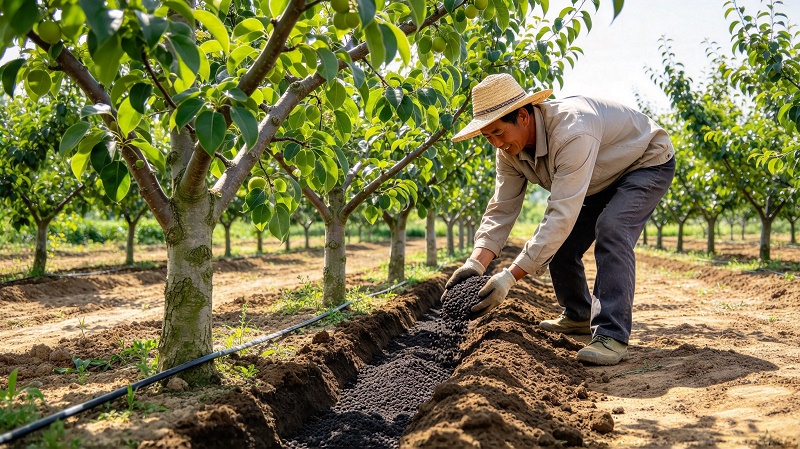
Not all humic acid is created equal—and the difference starts at the source.
If you've spent any time researching soil health products, you've likely encountered humic acid. It's praised for improving nutrient uptake, enhancing soil structure, and boosting crop resilience. But here's what many product labels don't tell you: the origin of that humic acid—where it was mined or extracted—has a profound impact on how well it actually works.
This guide breaks down where humic acid comes from, why source quality matters, and how to tell the difference between a premium product and a mediocre one.
Key Takeaways
Humic acid is primarily extracted from leonardite and lignite, two types of low-rank coal formed over millions of years.
Leonardite is the weathered, oxidized form of lignite and generally contains higher concentrations of humic and fulvic acids.
The geological origin and oxidation history of the source material directly determine the humic acid content, molecular structure, and biological activity.
Not all humic acid products deliver the same results—source quality, extraction method, and processing standards all play a role.
Reputable suppliers provide transparent sourcing information and third-party testing to verify humic acid content and purity.
Chapter 1: The Natural Origins of Humic Acid
Humic acid doesn't come from a laboratory. It is a natural substance formed through the slow decomposition of ancient plant matter over millions of years. The primary commercial sources are leonardite, lignite, peat, and organic-rich soils.
1.1 Leonardite: The Gold Standard
Leonardite is a soft, waxy, coal-like substance that represents the oxidized form of lignite. It is named after Leonard, North Dakota, where it was first identified. Leonardite typically contains humic acid concentrations ranging from 40% to 85%, making it one of the richest natural sources available. Because of its high oxidation level, leonardite-derived humic acid tends to have smaller molecular sizes and more functional groups (like carboxyl and phenolic groups), which enhance its ability to chelate nutrients and stimulate plant growth.
1.2 Lignite: Abundant but Variable
Lignite, also known as brown coal, is a softer, lower-rank coal formed from compressed peat. While lignite also contains humic acid, its concentration is typically lower and more variable than leonardite—often in the 20% to 50% range. Lignite-derived humic acid tends to have higher molecular weights and fewer oxygen-containing functional groups compared to leonardite. This means it may be less immediately reactive in soil, though it can still provide long-term soil-building benefits.
1.3 Peat and Other Sources
Peat is partially decomposed plant material that accumulates in waterlogged, acidic conditions. It has been used for centuries as a source of humic substances. However, peat extraction raises significant environmental concerns, including habitat destruction and carbon emissions, leading many suppliers to shift toward leonardite and lignite instead. Other emerging sources include compost, vermicompost, and even seaweed, but these typically produce humic acid with different characteristics and lower concentrations.
Chapter 2: Why Source Quality Determines Performance
The source isn't just a label detail—it directly influences what the product can do for your soil and crops.
2.1 Humic Acid Content and Purity
Not all humic acid is equally concentrated. Leonardite from high-quality deposits can yield products with 60–70% humic acid content, while lower-grade lignite might only reach 30–40%. The higher the concentration, the less product you need to apply for the same effect.
2.2 Molecular Structure and Bioactivity
Research shows that leonardite-derived humic acid fractions display better compositional uniformity and structural durability, making them particularly effective for long-term soil improvement. In contrast, humic acid from compost or vermicompost tends to have stronger short-term biostimulant effects but less consistency.
2.3 Contaminants and Heavy Metals
Low-quality source materials may contain elevated levels of heavy metals or other contaminants. Premium suppliers test their raw materials rigorously to ensure safety and compliance with organic standards.
Chapter 3: How Source Location Affects Quality
Geology matters. The same type of deposit can vary dramatically depending on where it was formed.
3.1 Regional Differences in Leonardite Deposits
Leonardite deposits in different parts of the world exhibit different characteristics based on their geological history, climate conditions during formation, and the type of ancient vegetation that contributed to the deposit.
3.2 The Importance of Oxidation Level
The degree of natural oxidation in a deposit determines how "mature" the humic acid is. Highly oxidized leonardite generally produces humic acid with smaller molecular weights and more active functional groups, which translates to faster and more pronounced effects in the field.
Chapter 4: Source Comparison at a Glance
| Source Material | Typical Humic Acid Content | Molecular Size | Key Characteristics | Best For |
|---|---|---|---|---|
| Leonardite | 40–85% | Small to medium | High oxidation, more functional groups, consistent quality | Fast-acting soil amendments, foliar sprays |
| Lignite | 20–50% | Medium to large | Variable quality, fewer functional groups | Long-term soil building, bulk applications |
| Peat | 10–30% | Variable | Environmental concerns, lower concentration | Niche applications |
| Compost/Vermicompost | 5–15% | Variable | Strong short-term biostimulant effects | Organic gardening, localized use |
Chapter 5: Frequently Asked Questions (FAQ)
A: Most commercial humic acid is extracted from leonardite and lignite deposits found in regions like North Dakota (USA), Xinjiang and Shanxi (China), and parts of Europe.
A: Generally, yes. Leonardite typically contains higher humic acid concentrations and more functional groups due to its advanced oxidation state. However, lignite can still be effective for long-term soil improvement.
A: Look for suppliers that disclose their raw material origin and provide third-party test reports (like SGS) confirming humic acid content and purity. Transparency is a sign of quality.
A: Absolutely. The source determines molecular size, functional group density, and biological activity—all of which influence how quickly and effectively humic acid improves soil and supports plant growth.
A: No. Humic acid is a natural substance. While it can be extracted and processed, it cannot be synthesized from scratch. Its properties are inherently tied to its natural origin.
A: Choose a supplier with 15+ years of experience, verifiable raw material sourcing from high-quality leonardite or lignite deposits, and internationally recognized certifications such as OMRI and SGS.
Conclusion: Source Is Everything
Understanding where humic acid comes from isn't just academic—it's practical. The source determines the concentration, molecular structure, and biological activity of the final product. Whether you're a large-scale agricultural operation or a home gardener, choosing humic acid from a verified, high-quality source ensures you're getting the results you paid for.
Choose GreenTop for Verified, High-Quality Humic Acid
GreenTop (Jiangxi Green Top Biological Technology Co., Ltd.) has been a leading supplier of humic acid and related products for over 15 years. Headquartered in Ganzhou, Jiangxi Province, we source our raw materials—leonardite and lignite—from premium deposits in Shanxi, Xinjiang, and Ningxia. Our state-of-the-art extraction facilities allow us to produce humic acid with humic acid content up to 70% and water solubility up to 98%.
Every batch of our raw materials is thoroughly inspected before production, and our products are backed by SGS and BV certification. We also offer OMRI-listed products for organic operations. Whether you need humic acid in powder, flake, granule, or crystal form, GreenTop delivers consistent quality and reliable supply chain support.
Contact GreenTop today to learn more about our humic acid products and how we can help you achieve better soil health and crop performance.