


What is humic acid good for?
 Jun 28, 2024|
 View:1544
I. Introduction
In multiple fields such as agriculture, environment, and industry, humic acid (Humic Acid) is playing an increasingly important role. However, for many people, "What is humic acid good for?" remains a question that needs in-depth understanding. This article will discuss in detail the various benefits of humic acid to help you have a more comprehensive understanding of this magical substance.
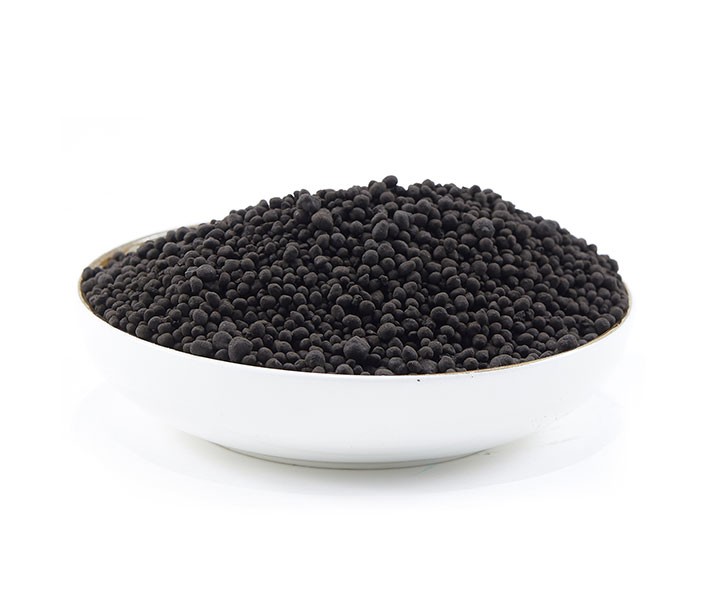
II. Overview of Humic Acid
Humic acid is a kind of natural organic macromolecular compound, widely existing in natural resources such as soil, peat, and lignite. It is formed by the decomposition and transformation of animal and plant residues through microorganisms.
III. Benefits in the Agricultural Field
1. Improving Soil Structure
Humic acid can increase the stability of soil aggregates, making the soil more loose, breathable, and water-retentive, creating a good environment for the growth of plant roots.
2. Improving Soil Fertility
It can adsorb and retain nutrients in the soil, such as nitrogen, phosphorus, potassium, etc., reduce the loss of nutrients, and release these nutrients slowly for the continuous absorption and utilization of plants.
3. Promoting Plant Growth
Humic acid can stimulate the development of plant roots, enhance the absorption capacity of plants for water and nutrients, thereby increasing the yield and quality of crops.
4. Enhancing Plant Stress Resistance
It helps plants resist adverse stress such as drought, pests and diseases, and salinity, improving the survival ability and adaptability of plants.
IV. Roles in the Environmental Field
1. Soil Pollution Remediation
It has a certain remediation effect on heavy metal-contaminated soil. By mechanisms such as adsorption and complexation, it reduces the bioavailability of heavy metals and reduces their harm to the ecosystem.
2. Water Quality Purification
In water treatment, it can remove pollutants such as organic matter, heavy metal ions, and chroma in water to improve water quality.
3. Reducing Greenhouse Gas Emissions
It helps increase the carbon storage in the soil, reduce the emissions of greenhouse gases such as carbon dioxide, and has positive significance for mitigating global climate change.
V. Applications in the Industrial Field
1. Oil Extraction
As a drilling fluid additive, it improves drilling efficiency and crude oil recovery rate.
2. Pharmaceutical Industry
In the production of some drugs, it is used as an excipient to help improve the stability and bioavailability of drugs.
3. Cosmetics Field
Used in skin care products, it has functions such as moisturizing, anti-oxidation, and soothing the skin.
VI. Potential Impacts on Human Health
1. Nutritional Supplement
Some health care products contain humic acid, which may have a certain regulatory effect on the human metabolism and immune system.
2. Intestinal Health
It promotes the growth of beneficial microorganisms in the intestine, improves the balance of intestinal flora, and maintains intestinal health.
VII. Future Outlook
With the continuous progress of science and technology, the research and application of humic acid will continue to deepen and expand. In the future, we are expected to see more innovative products and solutions based on humic acid, bringing more benefits to sustainable agricultural development, environmental protection, and human health.
VIII. Conclusion
In conclusion, humic acid has significant benefits in agricultural soil improvement, fertility improvement, and crop growth, environmental pollution remediation and water quality purification, as well as in industry and human health. In-depth understanding and full utilization of the characteristics of humic acid will provide strong support and help to solve problems in many fields. In short, the value of humic acid cannot be ignored. It has brought many positive influences to our life and environment and is worthy of further research and development.