


Which is Better: Potassium Humate or Humic Acid?
 Sep 07, 2024|
 View:3781
Among agricultural practices, the application of organic fertilizers has gained quite high popularity because it is rich in many advantages for soil health as well as plant growth. Two organic fertilizers that have been shown to improve soil are potassium humate and humic acid. But the question remains whether which one is more suitable for you potassium humate or Humic acid this and that?
What Are Humic Substances?
To understand the specifics of potassium humate and humic acid, one first needs to know what exactly are these group of compounds called as Humic substances. Humic substances are organic compounds that play a crucial role in soil health and fertility. They are formed through the decomposition of plant and animal materials and are an integral part of the soil organic matter.They stem from the decomposition of plant and animal organic material, improving soil fertility attributes such as structure, resilience towards erosion or mechanical weight (i.e. compaction), microbial activity etc.
The major part of humic substances is called Humic Acid and it has the property to be soluble in alkali. It is vital in enriching the texture of soil, aiding nutrients to become more available and helping encourage a healthy balance on microbial activity. This makes nutrients that are chelated by humic acid more available to plants. It also enhances water holding quality of soil that is necessary for crop growth.
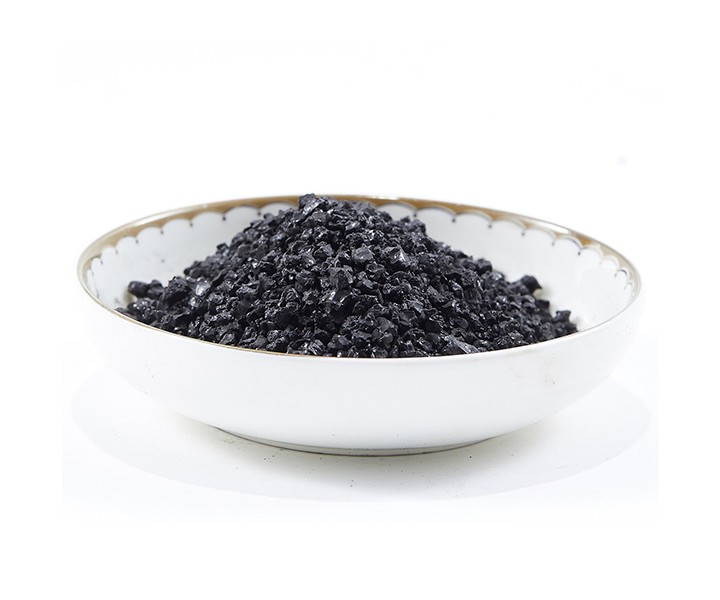
Potassium humate is a high-quality organic potassium fertilizer, which purely contains solild humic acid nutrient. It comes from leonardite, This is a good natural source of humic substances. It works as fertilizer and provides combined effect of humic acid.The source is through combination of peat, lignit with KOH to result in potassium buffer salt commerly knowns Potassium Humate.
Distinguishing Potassium Humate from the Other – Humic Acid
Nutrient Content
A key distinction is their nutrient contents are between potassium humate and humic acid. Potassium Humate — It contains potassium which is crucial for many plant activities such as photosynthesis, enzyme activation and over all growth of plants. On the other hand, humic acid lacks potassium therefore it is not effective for providing this essential nutrient.
Solubility
Humic acid is soluble in alkaline solutions and potassium humate is both a neutralized solution of alkali. Potassium humate has greater solubility than sodium one, meaning that potassium form is more effective in various soil conditions and can be successfully used for a wider set of agricultural practices.
Application and Use
It is used in combination with other fertilizers to make them more effective. This can help to increase crop yields, improve nutrient uptake and enhance plant health as a whole. Humic acid, on the other hand is used largely for soil conditioning to improve structure and fertility of thesoil.
Benefits of Potassium Humate
In result Manganese usage by plants increases via degradation of fixed oxides into its usable form, more Mn becomes available to the plant pathway by foliar and root applications. This is especially true of potassium, which affects plant metabolism.
Improves Soil Structure: Along with humic acid, potassium humate increases the soil structure by promoting the formation of aggregates in it. It also helps with aeration and water retention.
pH buffering: The addition of Potassium humate to the soil helps buffer pH, making it more favorable for beneficial bacteria and plant growth. This is extremely useful in soils that fall at an extreme level of the pH spectrum, such as being highly acidic or alkaline.
Microbial Life: Potassium humate use helps stimulate the growth of soil microbes which are essential for nutrient cycling and disease control.
Benefits of Humic Acid
Soil Fertility: Because humic acid improves the sensitivity of essential nutrients in cell tissues it is helping improve soil productivity. It chelates minerals for better use by plants.
Water Holding Capacity: Humic acid augments the water-holding capacity of soil and thus lessens dependence on frequent-watering. This is especially useful in areas of low rainfall.
These include seed germination and root growth, which promotes better overall plant health.
Green: Humic acid is beneficial in preventing soil erosion and runoff, which helps in sustainable agricultural farming.
Which is Better?
Which one is better for you, potassium humate or Humic Acid? Here are some considerations:
To Raise Nutrient-Rich Soil: It is the best alternative to use potassium humate if you are using a fertilizer that has both humic benefits and required levels of potassium. Especially nice for potatoes and tomatoes that love lots of potassium.
Soil Conditioning: if you are looking to improve soil structure and fertility, but not in immediate need of potassium Humic acid might be better suited for your needs.
Versatility: Potassium humate can be solubilized in solution under various conditions and its content of nutrient make it very versatile for different agricultural practices.
There are different features in both of them, and because it can improve the soil health by either potassium humate or acid so they have unique boons. For a great blend of the benefits of humic substances and potassium, potassium humate is best. On the slightly different side of things, if you are just looking to promote soil health and organic matter but do not require added potassium in the short term then humic acid may be more appropriate.