


When should I take humic acid fulvic acid for plants?
 Sep 19, 2024|
 View:2236
humic acid fulvic acids are essential organic compounds which are necessary for the proper growth and fertility of both plants and soils. These acids improve the soil's ability to absorb nutrients and the structure of the soil as well as promote plant growth while being produced from decayed organic materials. Using humic acid fulvic acid properly can inject life into gardens making them vibrant, while the crops are healthy and productive. This article covers the optimal ways to use these substances for plants.
What are humic acid fulvic acids?
Fulvic acid is soluble in water and has small molecules, whereas humic acid does not dissolve well and comprises large molecules. These are known as humic substances and they are an integral part of healthy soil. These acids contain high levels of micronutrients, vitamins and enzymes so that they can improve plant growth.
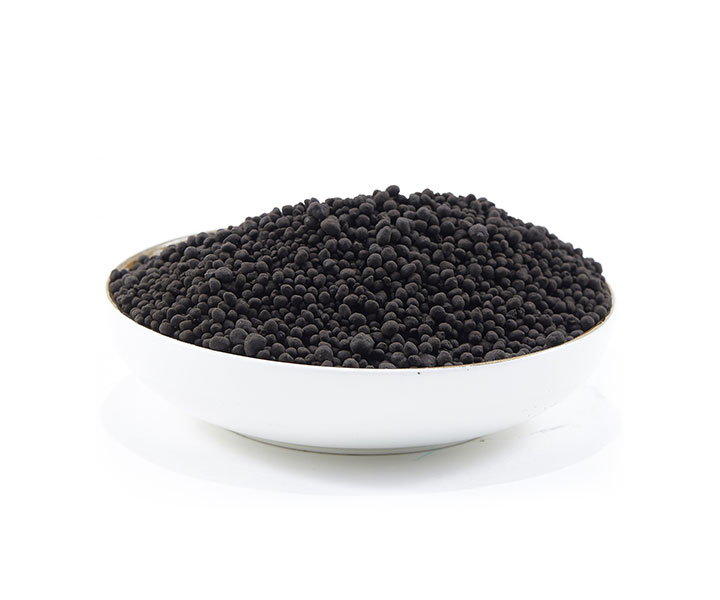
The Advantages of humic acid fulvic acid for Plants
Nutrient Absorption:Fulvic acid has the ability to enhance ultimate nutrient uptake, allowing plants to better absorb nutrients. This is helpful particularly for soils that are not rich in nutrients.
Soil Structure: Humic acid stimulates soil structure by promoting flocculation, thus improving the drainage and aeration properties. These result in healthy root systems.
Holding in Water:These acids both help water to be better held by the soil, so things are not dried out so quickly.
Microbial Activity:humic acid fulvic acids help stimulate a healthy soil microbial community to cycle nutrients for plant health.
Resistance to Stresses: These acids might help plants persist better when under environmental challenges like drought or nutrient deficiencies.
When and Where to Use Fulvic Acid and Humic Acid?
During Soil Preparation
One of the most important uses for humic acid is using it to enhance soil preparation. Mix it in the soil a few weeks before planting to improve both its structure and nutrients. It also creates the perfect environment for plants to grow anew.
At Planting Time
If we apply fulvic acid at planting time, it increases the vigor of seedlings. It improves nutrient uptake and boosts early root growth. When sowing seeds or transplants, mix it in water and apply it as a drench.
During Active Growth Stages
Plant growth is best maximized by applications of humic acid fulvic acid in the spring and early summer, when plants are still in their active growth stages. This is when plants need more nutrients. Steady applications may also increase growth rates and yield.
Before Fertilizer Application
Fulvic acid, when applied with fertilizer (or even before), can help to increase the absorption of nutrients to a great extent. Additionally, fulvic acid can be used to solubilize and make fertilizers available for plants. This can help you administer fertilizers more efficiently and improve the overall health of your plants.
In Response to Stress
When in doubt, if you have poor plants (yellow leaves, wilting and stunted growth), apply some humic acid fulvic acid! These acids, obtained from other bacteria and fungi selectively present in the stable spirulina-associated microflora such as Acetobacter pasteurianus, can help to alleviate stress by boosting nutrient uptake and increasing soil moisture retention.
Conclusion
The plants benefit directly from the vital force of these humic acid fulvic acids used as a supplemental additive feeding this in a nutrient program to aid physiological functions. Learning to apply these substances appropriately can help you provide the best growing environment for your plants. In terms of preparing the soil, sowing seeds and responding to stress in plants, these humic and fulvic acids reinforce their role in gardening, making it achievable to reach their maximum crop capabilities. Tap into the natural goodness of these organic molecules and relish a distinct gardening experience that yields lush and vibrant plants.