


Which Plants Like Humic Acid?
 Dec 16, 2025|
 View:1084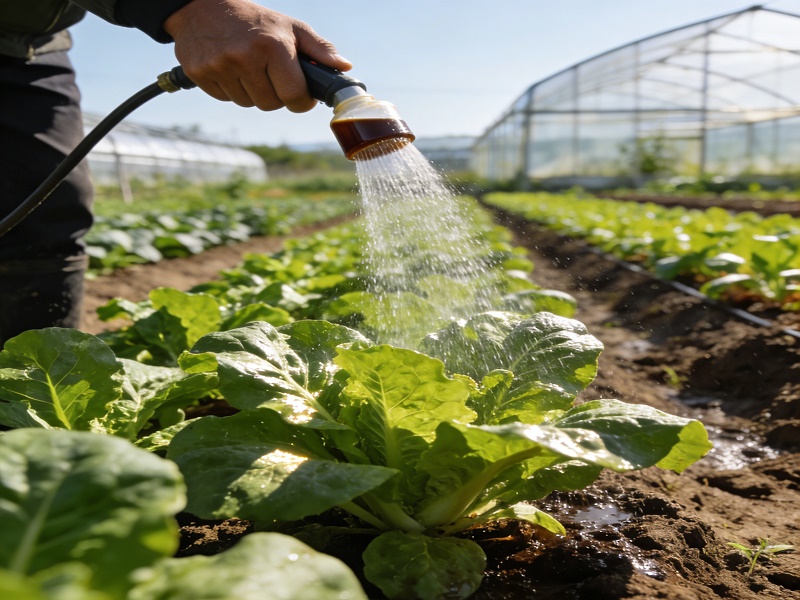
For every grower, whether managing large-scale farms or tending to home gardens, the core goal is the same: to have healthy, thriving crops and a bountiful harvest. In this process, choosing the right fertilizer is crucial. Beyond conventional NPK, a natural organic substance is increasingly favored by global agricultural experts – humic acid fertilizer. This leads to a key question: Which plants like humic acid? This article will provide an in-depth analysis of how humic acid benefits different plants and help you make the most informed choice.
Improving Soil Structure: Especially for heavy clay or sandy soils, humic acid promotes the formation of soil aggregates, increasing aeration, water retention, and nutrient holding capacity. Chelating Nutrients: It binds with potassium, calcium, magnesium, and trace elements that are fixed in the soil, forming complexes that are easier for plants to absorb, thereby improving fertilizer use efficiency. Stimulating Root Development: Humic acid can stimulate the activity of root cells, promoting root growth and enabling crops to absorb water and nutrients more efficiently.
Corn, Wheat, and Rice Needs: Developed root systems, high nutrient requirements, demand high soil fertility. Role of Humic Acid: Using humic acid liquid fertilizer for seed coating or root irrigation at the seedling stage can significantly stimulate seed germination and initial root growth, resulting in stronger plants and increased effective tillering. During the mid-growth stage, it enhances the plant's absorption of nitrogen and phosphorus, promoting plump grains and increasing the 1000-grain weight.
Cash Crops like Cotton and Soybeans Needs: Long growth cycles, sensitive to soil environment and trace elements. Role of Humic Acid: Humic acid can improve soil conditions in continuous cropping systems, mitigating the negative effects of replanting. For legumes like soybeans, the improved soil environment it creates aids nitrogen fixation by rhizobia, potentially reducing the need for nitrogen fertilizers.
Citrus, Apples, Grapes, etc. Needs: Focus on brix (sugar content), color, and fruit size; require balanced nutrition. Role of Humic Acid: Applied as a base fertilizer after harvest or before budding, it helps restore tree vigor and promotes new root growth. When used with high-potassium fertilizer during the fruit expansion stage, humic acid fertilizer promotes sugar accumulation and pigment formation, improving fruit taste and appearance. GreenTop's high-purity humic acid products ensure no heavy metal contamination, guaranteeing fruit safety.
Berries like Strawberries and Blueberries Needs: Shallow root systems, require very high levels of soil organic matter and are sensitive to pH. Role of Humic Acid: It not only provides a steady supply of active organic matter but also helps adjust soil pH, making it particularly suitable for acid-loving plants like blueberries. Regular application of humic acid liquid fertilizer via drip irrigation or drenching can extend the harvesting period for strawberries and increase individual fruit weight.
Leafy Vegetables (Lettuce, Spinach, Cabbage) Needs: Harvested for their leaves, require ample nitrogen supply. Role of Humic Acid: By synergizing with nitrogen fertilizers, humic acid fertilizer can reduce nitrogen volatilization and loss, resulting in thicker, darker green leaves, reduced nitrate accumulation, and enhanced market value.
Fruiting Vegetables (Tomatoes, Cucumbers, Peppers) Needs: Concurrent vegetative and reproductive growth during flowering and fruiting, with clear critical nutrient periods. Role of Humic Acid: Application during transplanting can shorten the recovery period. During flowering and fruiting, it can help prevent premature plant senescence, ensuring yield and quality of later-stage fruits. For soil salinization caused by years of cultivation in greenhouses, humic acid organic fertilizer has a significant ameliorating effect.
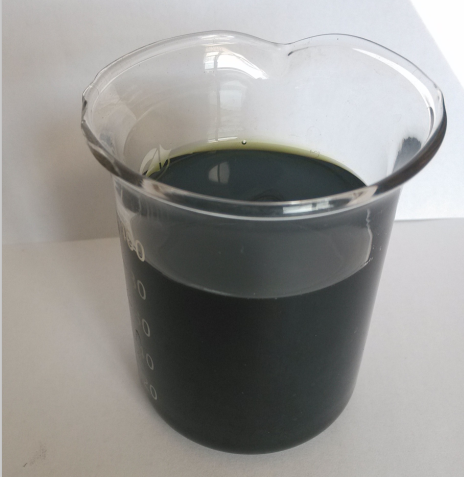
Specialty Crops and Horticultural Plants
Tobacco, Tea Needs: Quality is key to value, with specific requirements for soil organic matter and the formation of aromatic compounds. Role of Humic Acid: It can significantly increase the proportion of high-grade tobacco leaves and enhance the aroma and taste of tea, making it an important technique for producing high-end tobacco and premium teas.
Lawns, Flowers, and Ornamentals Needs: Ornamental value is priority; require vigorous vitality and stress tolerance. Role of Humic Acid: Using humic acid liquid fertilizer can make lawns greener and more wear-tolerant. For flowers, it promotes flower bud differentiation, extends the flowering period, and makes flower colors more vibrant.
Source Advantage: We directly source high-quality leonardite from regions like Shanxi, Xinjiang, and Ningxia, guaranteeing high activity and purity from the start. Advanced Processing: We employ low-temperature activation and extraction technologies to maximize the retention of humic acid's biological activity, producing fully water-soluble, residue-free humic acid liquid fertilizer and powder products. Stable Quality: Certifications like OMRI and SGS ensure consistent content and quality batch-to-batch, meeting your needs for large-scale, continuous production. Customization Capability: Whether powder, granules, or liquid formulations, we can provide ODM/OEM services tailored to your specific formula and agronomic requirements.