


What Does Amino Acid Powder Do?
 Jun 25, 2025|
 View:1402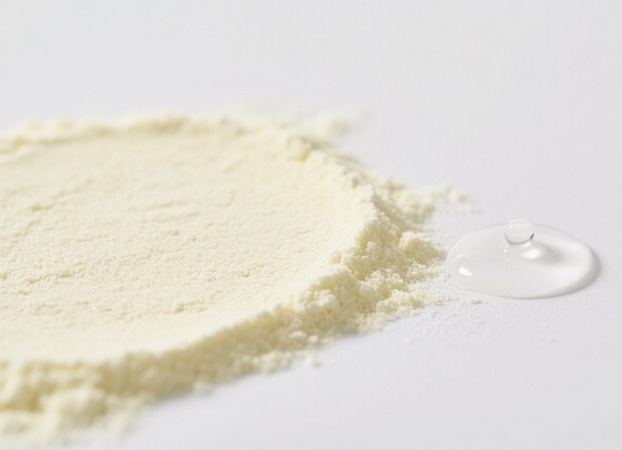
I. Basic Overview of Amino Acid Powder
Amino acid powder is a biologically derived organic compound primarily sourced from plants and animals. Its molecular structure contains both amine (-NH₂) and carboxyl (-COOH) functional groups, serving as fundamental components in plant protein synthesis. This light-yellow powder exhibits water solubility and hygroscopicity. It is manufactured through processes including microbial fermentation, acid/alkali hydrolysis, or enzymatic hydrolysis, followed by decolorization, deacidification, desalination, and spray drying, resulting in an easily dissolvable and storable powdered product.
Compositionally, amino acid powder is rich in cystine, tyrosine, serine, and various other amino acids. These components are not only essential for the growth and development of plants and animals but also demonstrate broad application value in agriculture and animal husbandry due to their unique chemical properties.
II. Production Process and Classification
(1) Production Process Analysis
The preparation of amino acid powder involves multiple rigorous steps:
Raw Material Pretreatment: Plant/animal-based raw materials are screened and crushed for subsequent processing.
Core Conversion Process: Microbial fermentation, acid/alkali hydrolysis, or enzymatic hydrolysis breaks down macromolecules into amino acids.
Purification & Drying: Decolorization, deacidification, and desalination remove impurities, followed by spray drying to form the final powder.
(2) Types and Model Classification
Based on composition, amino acid powder is divided into two main types:
CL-Type Amino Acid Powder:
Models: GZGT-41 to GZGT-45.
Amino acid content: 30%–80%. Total nitrogen decreases with higher model numbers (e.g., GZGT-41: ≥17% total nitrogen; GZGT-44: ≥10% total nitrogen). Specifications include ammonia nitrogen (e.g., GZGT-41: ≥14%), ash content, and moisture (≤5%).CL-Free Type Amino Acid Powder:
Models: GZGT-46 to GZGT-48. Chloride-free.
Amino acid content: 40%–80%. Some models contain ammonium sulfate (e.g., GZGT-46: 45% ammonium sulfate). Strict control of ash and moisture (≤5%).
III. Core Functions in Agriculture
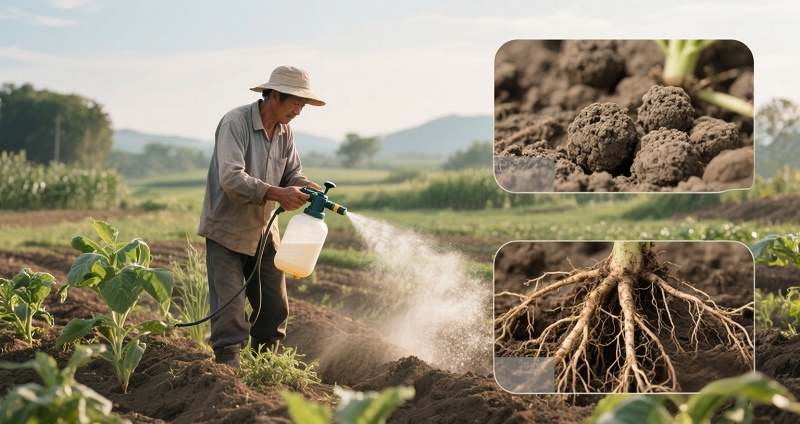
(1) Soil Improvement & Nutrient Activation
Soil Structure Activation: Improves soil aeration, breaks soil compaction, reduces deep tillage needs, promotes soil aggregate formation, and enhances water/nutrient retention.
Nutrient Use Efficiency: Boosts photosynthesis and significantly improves crop uptake of inorganic/organic nitrogen. Compatible with fertilizers/pesticides for synergistic effects.
(2) Crop Growth & Stress Resistance Optimization
Growth Promotion: Essential amino acids accelerate root development, plant metabolism, and shorten growth cycles.
Enhanced Stress Resistance: Improves crop ecology, suppresses pests/diseases, increases tolerance to heavy metals/drought, and reduces pesticide usage.
IV. Application Value in Animal Husbandry
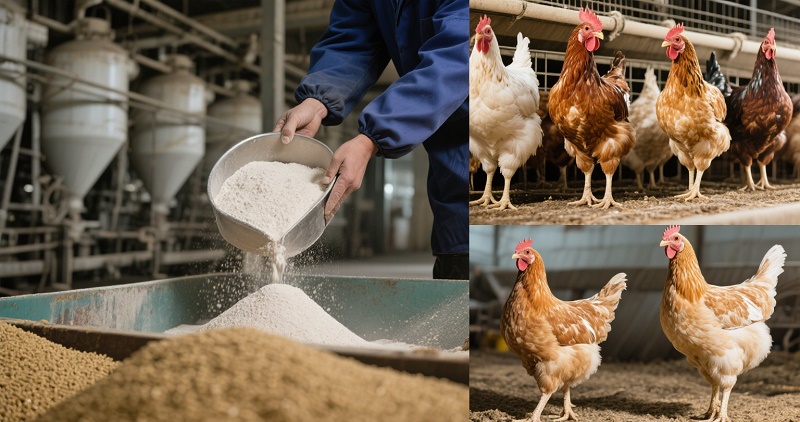
(1) Feed Efficiency & Growth Performance Enhancement
Improved Feed Utilization: As a feed additive, it optimizes nutritional structure, enhances digestion/absorption in livestock/poultry, and lowers feed costs.
Accelerated Growth: Components like cystine and tyrosine promote muscle/feather development, significantly increasing growth rates and shortening breeding cycles.
(2) Animal Health & Immunity Enhancement
Digestive Function Improvement: Regulates gut microbiota balance, reduces digestive disorders (e.g., diarrhea), and improves feed conversion.
Strengthened Immunity: Supplementation of essential amino acids boosts immune function, lowers disease risk, and reduces antibiotic use—aligning with eco-friendly breeding.
V. Packaging, Storage & Transportation Standards
(1) GreenTop Packaging Specifications
Standard: 20kg net weight woven plastic bags with inner plastic film lining. Custom packaging available upon request to prevent moisture/contamination.
(2) Storage Requirements
Environment: Store in dry, cool, ventilated areas away from heat sources and direct sunlight.
Moisture & Damage Prevention: Warehouses must remain dry to prevent caking; avoid co-storage with corrosive substances.
(3) Transportation Precautions
Implement moisture, sun, and rain protection during transit. Avoid high temperatures. Ensure intact packaging to prevent leakage/deterioration. Delivery typically within 15–20 days after payment receipt.
Conclusion
Amino acid powder plays a vital role in agriculture and animal husbandry due to its unique composition and multifaceted efficacy. Its value—whether in improving soil ecology, promoting crop growth, enhancing breeding efficiency, or boosting animal health—is well-documented. Selecting appropriate models (CL-type or CL-free) and adhering to storage/transport protocols maximizes its functionality, supporting sustainable development in modern agriculture and farming.