


How to Use Potassium Humate?
 Jun 05, 2025|
 View:3568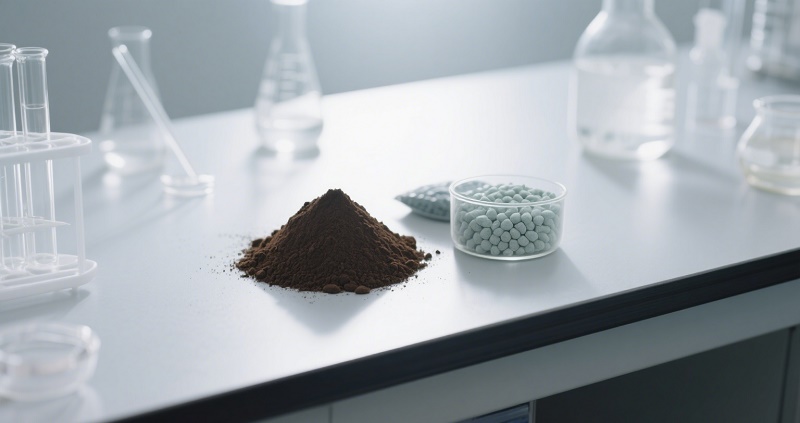
1. What Is Potassium Humate?
Appearance
Key Components
Humic Acid: Enhances soil fertility by increasing cation exchange capacity (CEC) and nutrient-holding capabilities. It also promotes the growth of beneficial soil microorganisms.
Potassium: A vital nutrient for plants, essential for photosynthesis, water regulation, and disease resistance.
Primary Functions
Acts as a soil conditioner to improve beneficial bacterial activity, enhance soil structure, and facilitate nutrient absorption.

2. Agricultural Applications
2.1 Soil Application
2.1.1 Basal Fertilization (Pre-Planting)
Dosage: 10–15 kg per hectare.
Method: Blend thoroughly with organic or mineral fertilizers. Spread the mixture evenly over the soil surface and plow to a depth of 10–15 cm.
Benefits: Improves soil structure for robust root development and establishes a nutrient-rich foundation for crops.
2.1.2 Topdressing (In-Season)
Cereal Crops (e.g., corn, wheat):
Create shallow furrows 5–10 cm away from plant stems.
Apply 5–10 kg/ha of potassium humate and cover with soil.
Perennial Crops (e.g., fruit trees):
Dig circular trenches 30–50 cm from the trunk, 15–20 cm deep.
Apply 20–30 g/tree (adjust based on tree age/size) and backfill with soil.
2.2 Foliar Spraying
When to Apply: During potassium deficiency or critical growth stages (e.g., flowering, fruiting).
Solution Preparation: Dissolve 3–5 g of potassium humate in 1 liter of clean, room-temperature water.
Application: Spray evenly on both leaf surfaces (focus on the underside, where stomata are denser) until slightly moist.
Timing: Early morning or late afternoon to avoid leaf scorching from direct sunlight.
Frequency: Repeat every 7–10 days, up to 3 times.

3. Horticultural Applications
3.1 Potted Plants
Soil Mixing (Repotting): Add 1–2 g of potassium humate per liter of potting mix to improve water retention and nutrient availability.
Liquid Feeding: Dissolve 1–2 g in 1 liter of water and apply every 2–3 weeks to support healthy growth and vibrant foliage.
3.2 Garden Beds
Soil Amendment: Spread 5–10 g/m² over the soil surface and rake into the top 5–10 cm before planting.
Liquid Drench: Dissolve 3–5 g in 1 liter of water and apply around plant roots, ideal for potassium-demanding crops (e.g., tomatoes, peppers, roses).
4. Aquaculture Applications
Function: Improves water quality by reducing harmful substances (e.g., ammonia, nitrites) and promoting plankton growth (a natural food source for fish).
Dosage: 2–3 kg per hectare for water bodies with a depth of 1 meter.
Method: Dissolve in water and spray evenly across the water surface.
Benefits:
Adsorbs and neutralizes toxins, improving water clarity.
Enhances sunlight penetration, supporting phytoplankton photosynthesis and a balanced aquatic ecosystem.
5. Best Practices for Efficacy
5.1 Dosage Control
Start with the lower recommended dosage and adjust based on soil testing and plant response.
Risk of Overuse: Excessive application may lead to soil salt accumulation, damaging plant roots.
5.2 Compatibility with Other Inputs
Compatible With: Most fertilizers and pesticides.
Avoid Mixing With: Strongly acidic (e.g., sulfuric acid) or alkaline (e.g., lime) substances, which may reduce effectiveness.
Mixing Procedure: Dissolve potassium humate first in water, then gradually add other inputs while stirring to ensure uniform distribution.
5.3 Storage
Conditions: Store in a cool, dry, well-ventilated area, away from direct sunlight and moisture.
Container: Use airtight packaging to prevent clumping. If clumps form, break them up or dissolve in water (discard if moldy or discolored).
6. Common Mistakes to Avoid
6.1 Skipping Soil Testing
Always test soil pH (ideal range: 6.0–7.5) and nutrient levels before application. Adjust soil pH if necessary to optimize nutrient absorption.
6.2 Inconsistent Application
Follow a regular schedule based on crop growth stages (e.g., vegetative, flowering, fruiting) to ensure uniform growth and yield.
6.3 Using Low-Quality Products
Source potassium humate from reputable suppliers with lab-tested purity. Inferior products may contain contaminants or low active ingredients, compromising results.